Award winner
Find at
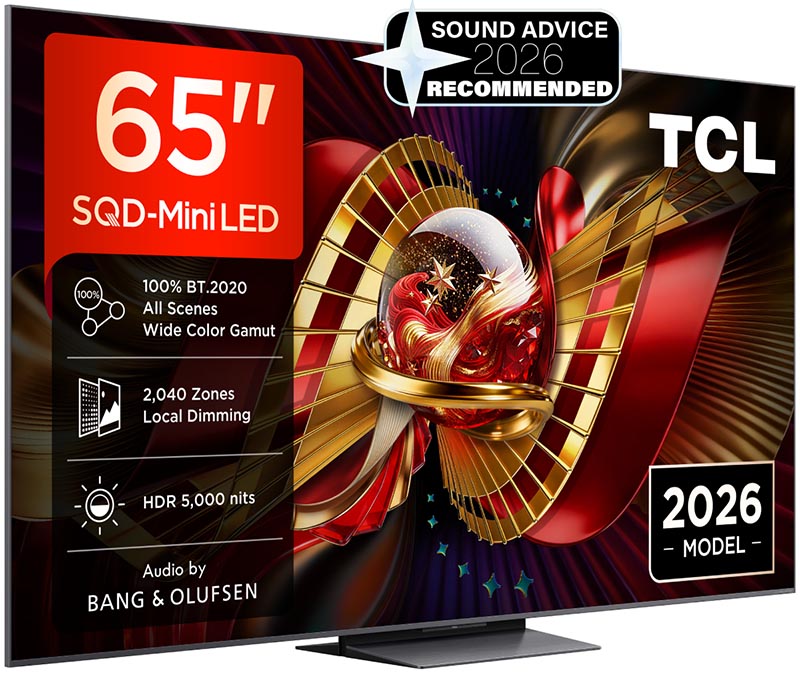
The TCL 65C8L is the world’s first TV to use TCL’s new Super Quantum Dot technology. Delivering colour via tiny Quantum Dots that use five layers of different materials (rather than the traditional two) to increase their brightness, efficiency and stability, Super Quantum Dots are the result of mind-boggling levels of R&D and production investment on TCL’s part - which, of course, means there’s massive pressure on the 65C8L to deliver the goods. Can we really expect SQD technology to stick the landing at the first time of asking, though?
Picture Quality
The 65C8L’s predecessor, the 65C8K, wasn’t my favourite model in TCL’s 2025 TV range. The extra brightness it introduced over its fantastic C7K step-down model actually reduced its overall picture quality. So when I heard the 65C8L ups the brightness even more, I couldn’t help fearing the worst.
It turns out, though, my concerns couldn’t have been any more unfounded. TCL’s Super Quantum Dot debut brings way more than just more brightness to the table - and with spectacular results.
Let’s focus on the brightness first, though. Out of the box the 65C8L hits an incredible 5150 nits in its ‘Vivid’ preset, 4500 nits in its gloriously watchable ‘Standard’ preset, and even 3100 nits in the ‘Filmmaker Mode’ serious AV fans will likely turn to for a more ‘as the director intended’ experience. These are all unprecedented numbers for a sub-£2K 65in TV, and enable the 65C8L to deliver bright highlights of high dynamic range images with incredible intensity and realism.
This is just the opening gambit of the 65C8L’s remarkable HDR efforts, though. The brightness also holds up phenomenally well when showing HDR images where the whole screen is flooded with brightness. In fact, such images enjoy almost twice as much brightness as they get with even the brightest OLED TV.
Of course, the 65C8L’s LCD TV nature means it can’t deliver the pixel-level control of light and colour that self-emissive OLED TVs can. Yet the 65C8L does manage to deliver its extreme brightness while creating hardly any evidence of common LCD TV issues like washed-out dark scenes, backlight clouding or stark halos of light around stand-out bright picture objects. The TV’s combination of2040 separately controlled local dimming zones and TCL’s latest ‘TSR AiPQ’ processing works supremely well. In fact, the 65C8L’s ability to retain high levels of brightness for things like stars and candles even when they gleam out from completely black backdrops, without them being surrounded by grey halos or dulled down, is as good as I’ve seen from any LCD TV (including way more expensive sets). It’s almost hard to believe that an LCD TV is capable of delivering this level of contrast, in fact.
TCL’s new Super Quantum Dots are, at heart, about colour - so I guess I shouldn’t be surprised to find the 65C8L serving up fantastically rich, vibrant colours in its default ‘Standard’ picture preset. The fullness and expanded range of the 65C8L’s colour output is so explosive, though, and so good at ensuring saturation levels keep up with the screen’s extreme brightness, many TV fans will feel like they’re seeing the full capabilities of HDR for the first time. Measurements confirm my subjective impressions - both ‘Standard’ and ‘Filmmaker Mode’ manage to cover the full 100% of the DCI-P3 colour spectrum used in the creation of most HDR content. Combined with the 65C8L’s extreme brightness, this colour range delivers jaw-dropping colour volumes that breathe gorgeous new life into anything you watch.
Punchy colours can come with downsides, of course. On lesser TVs, pushing colour can cause subtle shading differences to go AWOL, or overly gaudy tones that make images look unnatural, or add some tones that stand out too much against others. None of this happens with the 65C8L though, leaving you free to lap up the vibrancy, brightness and pure impact of the ‘Standard’ preset without anything appearing to diminish the image’s consistency and immersiveness. So good is the ‘Standard’ preset, in fact, even AV enthusiasts may decide to stick with it for dark room movie nights as well as daytime viewing.
That said, if you really do want to keep things accurate, ‘Filmmaker Mode’ reins in the 65C8L’s colour and brightness immaculately, delivering pictures that measurably matches established mastering standards with exceptional precision. ‘Filmmaker Mode’ loses so much brightness that it initially feels almost shocking after you’ve got used to the impact of the ‘Standard’ preset - but once you’ve adjusted to this inevitable consequence of the film and TV world’s currently very conservative video mastering approach, you soon start to notice ‘Filmmaker Mode’ compensates for the darker look with gorgeous subtleties of colour, contrast and shade.
This subtlety feeds into the picture’s sharpness, too, helping to create 4K pictures so crisp and clean that many rival TVs - even some premium models - look soft and fuzzy by comparison. Motion and camera pans do little to dent the sharpness either, especially if you choose the 65C8L’s ‘Low’ motion processing option to take the edge off the quite strong judder otherwise present with 24fps film content.
I only find two real image limitations. Watching the TV from a wide angle suddenly reveals much more noticeable signs of backlight blooming than you see during head on viewing, and the screen’s colours take on a reddish hue from wide viewing angles, too. And the screen is very reflective of bright objects or light sources in your room - some will like the glossy finish and consistently deep black colours the 65C8L retains by going without a strong anti-reflection filter, but this is something to consider if you have a bright room or lights directly opposite the screen.
Sound Quality
The 65C8L’s audio is the result of a TCL collaboration with premium AV brand Bang & Olufsen. The results are impressive in many ways, but slightly clunky in a couple of others.
On the plus side, the sound has a lovely clean, open tone that does a great job of bringing out subtle details and imbuing soundtracks with plenty of grit and visceral impact. It can maintain its detail and impact even at high volumes, too, and spot effects are positioned in the mix with reasonable accuracy.
The sound spreads well beyond the TV’s physical boundaries in forward, sideways and even upward planes (thanks to speakers built into the TV’s top edge), creating a world beyond the images on the screen. The dual subwoofers on the TV’s rear don’t plumb depths quite as profound as I would like, but the set does manage to avoid heavy distortions during the movie world’s most extreme bass drops and rumbles.
The main problem with the 65C8L’s audio is that it can struggle to interpret complex sound mixes correctly. So some sudden loud sounds, for instance, can hit so hard they feel forced. Worse, the speakers can struggle to grant different elements of the mix their correct weight, so loud scenes can fade in and out for no reason, and sounds that should be subtle ambient or background effects can sometimes, rather confusingly, end up competing with mix elements intended to be the main focus.
The core ingredients to an excellent sound system are here - and the 65C8L backs them up with a wider number of sound presets than most TVs offer, as well as the ‘BeoSonic’ feature that lets you adjust the sound’s profile via an intuitive ‘compass’ style interface that will be familiar to owners of B&O headphones or speakers. The core quality of the speaker design makes me hope that TCL continues to work with B&O - but tuning and balancing needs more work.
Living with the TCL 65C8L
From the front, the 65C8L strikes an impressively minimalist pose. The crisp silvery metallic frame around the screen is ultra slim, and there’s practically zero internal black border around the image. The set’s a bit chunkier around the back than some people might like, especially if they’re wall-hanging it, but the sides angle back steeply so that you don’t actually see the rear’s depth unless you’re sitting at a pretty extreme angle.
The 65C8L’s connectivity is excellent. All four of its HDMIs can support 4K gaming at up to 144Hz, as well as variable refresh rates and auto low-latency mode switching. The HDMIs support eARC, too, via which you can send Dolby Atmos or DTS:X sound to compatible soundbars. Plus, of course, Wi-Fi and Bluetooth are both available for streaming content into the TV.
Smart features are provided by Google TV. This runs slickly and, mostly, stably on the 65C8L - and as usual provides access to a wealth of streaming content and apps. In fact, TCL has even got around Google TV’s usual blind spot when it comes to BBC iPlayer, incorporating it seamlessly into the Google TV interface alongside the other main UK terrestrial broadcaster catchup apps.
I experience one crash during my time with the TV (requiring a full unplug reboot) and the TV has repeatedly told me it has lost its Wi-Fi connection even when it patently hasn’t. Otherwise, though, the 65C8L is pretty straightforward to use, especially as its ‘Standard’ and ‘Filmmaker Mode’ presets are very watchable without any major manual intervention required beyond turning off the TV’s ‘Eco’ features and tweaking the ‘Standard’ mode’s motion setting.
Providing such good ‘Standard’ and ‘Filmmaker Mode’ implementation means the TV can easily adapt to different tastes, content and room conditions. Additionally, the 65C8L’s ability to play all four of the key high dynamic range formats - HDR10, HLG, HDR10+ and Dolby Vision - means it will always deliver the best version of any source it’s presented with.
Conclusion
It’s hard to see how TCL’s Super Quantum Dot debut could have gone any better. The 65C8L manages to marshal its screen’s extremes into delivering pictures that are riveting and exciting, but also always feel like they respect and understand all types of source content. Perhaps best of all, those Super Quantum Dots and their attendant innovations seem to have been created with a focus that’s much less about ‘turning images up to 11’ (as I’d feared might be the case) than it is about letting viewers enjoy a spectacular HDR experience minus the sort of glitches and foibles that such bold LCD pictures can so often cause.
Test samples
Sinners 4K Blu-ray
While I expected the 65C8L to handle the difficult colour palette and extreme contrast of the Sinners 4K Blu-ray well in ‘Filmmaker Mode’, I was less prepared for how successfully it ramps up the colour, contrast and brightness in its breathtaking ‘Standard’ mode. This is one TV that really lets you enjoy the full extremes of its panel’s capabilities without the results looking even remotely nasty.
Alien: Romulus 4K HDR Disney+ stream
Past TCL glitches with streaming services seem to be a thing of the past. Which leaves me free to admire the TV’s remarkable stability, detail and, best of all, contrast during the opening scene of Alien Romulus. In particular, the number of stars you can make out against the blackness of space, and the intensity of the brightest stars, are both remarkable by LCD standards.
It (Chapter 1) 4K Blu-ray
While the 65C8L handles both the deliberately extremely bright and heavily saturated daytime footage and the really dark night-time/underground footage in It (Chapter One) sublimely well, the film’s unusually sophisticated and layered Dolby Atmos mix can occasionally expose the TV’s issues with interpreting mix balances correctly.
The 65C8L launches TCL’s new Super Quantum Dot technology in really spectacular fashion. At the press of a button its picture quality can be absolutely spectacular without getting messy, and it’s accurate enough to deliver creative intent pretty much perfectly. Its Google TV smarts provide every streaming app you could want, and it supports cutting-edge gaming brilliantly with both its features and connections. Finally, it delivers its home theatre and gaming thrills for what is in the circumstances a seriously aggressive price.
Impressive though many of today’s streaming services can look, a TV as good as the 65C8L really deserves to be partnered with a good 4K Blu-ray player - ideally one that can play both the HDR10+ and Dolby Vision premium HDR formats. Panasonic’s UB820 fits the bill perfectly.
Given the occasional coherency issues associated with the 65C8L’s sound system, adding a soundbar is also highly recommended. Samsung’s HW-Q990H is about as good as it gets if you want a full surround package, while the Sonos Arc Ultra is a great option if you want a one-bar solution.